Helping to maintain, monitor, and restore New Hampshire’s coastal habitats.
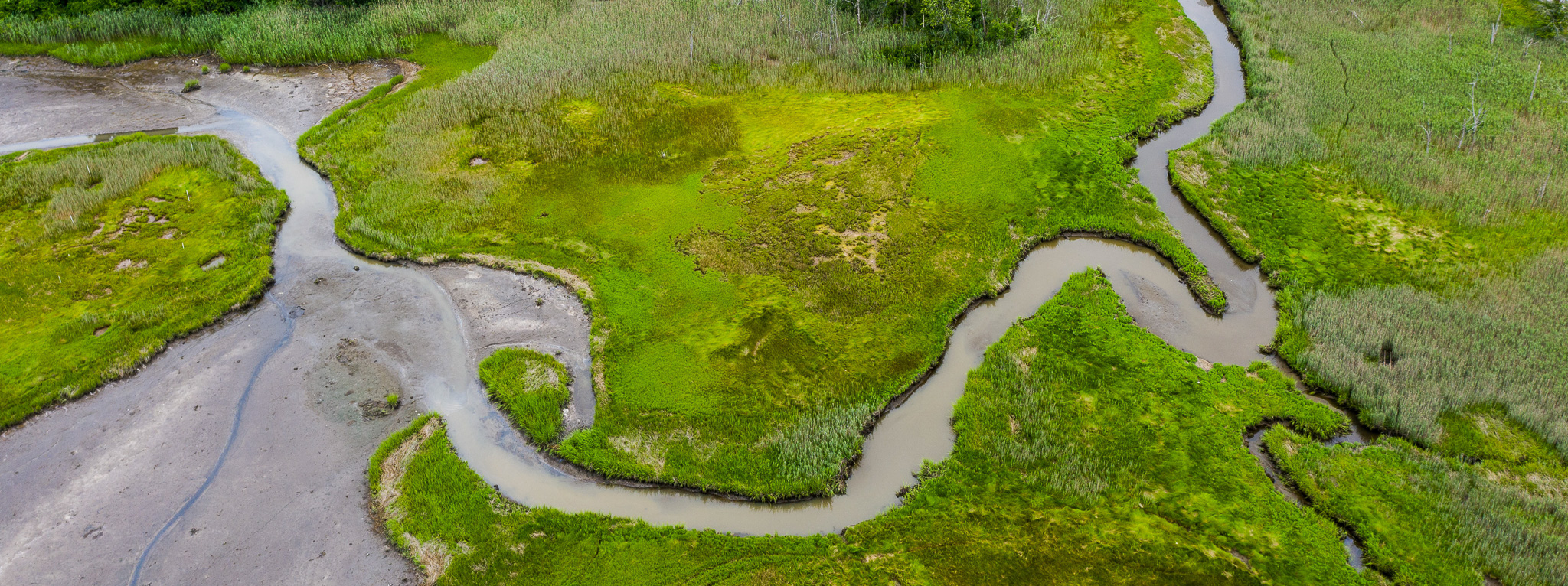
New Hampshire’s coastal watershed is made up of salt marshes, dunes, tidal rivers, forests, wetlands, coastal islands, and more. NH Sea Grant aims to support and promote these healthy ecosystems through restoration, education, outreach, and other natural solutions.
Current Projects

Beach Resilience Data
Beach Resilience Data
Our staff and volunteer teams have been monitoring New Hampshire's sandy beaches year-round since 2018, and their data is now available to you!

Common Garden of Native Sand Dune Plants
Common Garden of Native Sand Dune Plants
A program to provide American beachgrass to NH coastal residents interested in restoring sand dunes on their property.

Dune Restoration
Dune Restoration
Sand dunes are a constantly changing system. Planting beachgrass and other native dune plants in areas where vegetation is scarce can help the natural building processes of dunes.

Marshes
Marshes
NH Sea Grant staff work closely with researchers at University of New Hampshire to study and restore marsh habitat in New Hampshire.

Marine Debris
Marine Debris
NH Sea Grant has been addressing the problem of marine debris through outreach, education and innovative removal solutions.
Contact
Alyson Eberhardt, Ph.D.
Coastal Ecosystems Extension Specialist
alyson.eberhardt@unh.edu
(603) 862-6709
